
The Psychology Behind Great Advertising: Why Some Ads Make Us Feel, Remember and Buy
Discover how emotions, curiosity, trust and human behaviour influence the way we respond to advertisements.
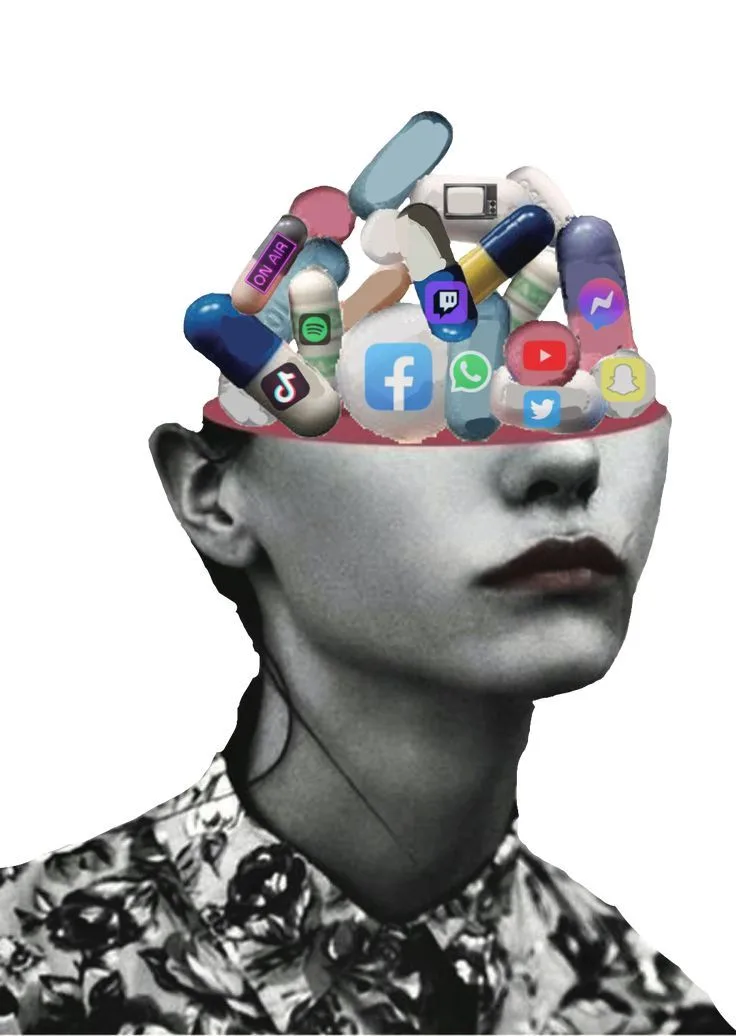
Have you ever watched an advertisement and suddenly felt the urge to buy something you never planned to purchase? Or remembered a brand's music, slogan or visual long after the advertisement ended?
That's not always a coincidence.
Every day, we are surrounded by advertisements. From billboards on the streets to Instagram reels, YouTube videos, television commercials and promotional emails, brands are constantly competing for our attention. Yet, most advertisements disappear from our minds within seconds.
Some, however, make us stop. Some make us laugh. Some make us feel emotional. And some even influence what we buy.
The difference isn't always the product, the budget or the production quality. Often, it comes down to how well an advertisement understands human psychology.
The psychology behind advertising explores how our emotions, thoughts, perceptions and behaviour influence the way we respond to marketing messages.
Let's explore the psychological principles behind great advertising—and why they work.
01. Great Advertising Sells Feelings, Not Just Products
Imagine two advertisements for the same watch.
The first advertisement says:
"Water-resistant. Stainless steel. Durable design. Two-year warranty."
The second shows a father giving his watch to his son before the son leaves home to pursue his dream.
Both advertisements are selling a watch. But the second advertisement is selling something more—a memory, a relationship, a feeling and a story.
This is the power of emotional advertising.
People don't always make purchasing decisions based on logic alone. A product's features may explain what it does, but emotions can influence how people feel about it.
A perfume may make someone feel confident. A car may represent freedom. A pair of shoes may make someone feel ready to achieve something.
Brands understand that emotional connections can make products feel more meaningful.
People may forget the product specifications in an advertisement, but they are more likely to remember the feeling it created.
02. The First Job of an Advertisement Is to Get Attention
Think about how many advertisements you see every day.
Billboards, Instagram posts, YouTube ads, banners, television commercials and promotional messages constantly compete for your attention.
Most of them disappear from your mind almost immediately.
Our brains naturally filter information. We cannot pay attention to everything happening around us, so we focus on things that appear unusual, relevant, interesting or important.
For an advertisement to work, it must first interrupt this filtering process.
What makes people stop and look?
- Unexpected visuals
- Unusual situations
- Bold contrasts
- Humour
- Surprising messages
- Creative storytelling
- Pattern interruption
Imagine walking down a street filled with ordinary billboards. Suddenly, you see one showing a giant shoe crushing a building.
You might stop, look again and wonder what the advertisement is trying to communicate.
That moment of attention is valuable.
Before asking people to remember your brand, give them a reason to notice it.
03. Curiosity Makes People Want to Know More
Have you ever clicked on a video simply because its title made you curious?
Or looked twice at an advertisement because something didn't make sense at first?
Curiosity is one of the most powerful tools in advertising psychology.
When people see something unusual or incomplete, their minds naturally want to discover the missing information.
Headline A
Buy Our New Shoes Today
Headline B
Why Did This Shoe Survive a 100-Kilometre Run?
The first headline communicates a direct sales message. The second creates a question in the reader's mind.
What happened to the shoe? How did it survive? What makes it different?
That curiosity may encourage someone to continue reading, watching or interacting.
Create curiosity, but make sure your advertisement delivers the answer.
05. Scarcity and Urgency: Why Limited Offers Feel Valuable
Have you ever seen a message saying:
"Only 3 items left!"
Or:
"Offer ends tonight!"
Even if you weren't planning to buy anything, the message may suddenly make you reconsider.
This happens because people can place greater value on things they believe are limited or difficult to obtain.
This psychological principle is known as scarcity.
Brands use scarcity through limited-edition products, exclusive collections, time-limited discounts, early-access offers and seasonal campaigns.
However, scarcity isn't equally effective in every situation. Research suggests that its impact can depend on the type of scarcity and the product.
You can explore the research here:
Scarcity Tactics in Marketing: A Meta-Analysis
Urgency can encourage action, but honesty protects the relationship with the customer.
06. Storytelling Makes Advertisements Memorable
Which would you remember more easily?
A company telling you that its product is reliable— or a story showing someone overcoming a difficult situation with that product?
Stories help us understand information through experiences.
A good advertisement can introduce a character, create a problem, show a struggle and finally present a solution.
Storytelling can make a brand feel more human because people connect with characters, emotions and experiences.
A product may solve a problem, but a story helps people imagine that solution in their own lives.
07. People Buy Products That Reflect Who They Want to Be
Sometimes people buy things not only because of what the product does, but also because of what it represents.
Think about a luxury watch.
Its primary function is to tell time. But people may buy it for many other reasons—status, achievement, identity, confidence or personal satisfaction.
The same idea can be seen across different industries.
- A sports brand may represent discipline and determination.
- A luxury brand may represent exclusivity.
- A sustainable brand may represent responsibility.
- A technology brand may represent creativity and innovation.
Strong brands don't only focus on what their product does. They also communicate what the brand represents.
Strong brands don't just ask, "What do people need?" They also understand, "Who do people want to become?"
08. Colours, Design and Visual Psychology
Before people read the words in an advertisement, they usually notice its visual appearance.
Colour, typography, spacing, images and layout all influence how an advertisement is perceived.
Imagine two advertisements for the same luxury product.
The first uses crowded text, several bright colours and multiple fonts.
The second uses a simple layout, elegant typography, a carefully selected colour palette and plenty of empty space.
The second design may feel more premium—not because the product has changed, but because the visual presentation has changed how people perceive it.
The key is not choosing a colour simply because someone says it represents a particular emotion.
The key is choosing visuals that support the message and personality of the brand.
The same principle applies to websites. Visual hierarchy, simplicity and clear messaging help visitors understand what a business offers.
Explore my website design and development services if you're looking to build a stronger online presence.
Good design doesn't just make an advertisement attractive. It helps communicate the message before the audience reads a single word.
09. Simplicity: Why Less Can Be More
Imagine a billboard you can see while driving.
You have only a few seconds to look at it.
If the billboard contains ten lines of text, five images, three offers and several different messages, you probably won't understand it.
Now imagine a billboard with one powerful image and five words.
You may understand the message instantly.
This is why simplicity is important in advertising.
A creative advertisement doesn't necessarily need more elements.
Sometimes, removing unnecessary information makes the idea stronger.
If your audience needs too much effort to understand your advertisement, you may lose their attention before they understand your message.
10. How Small Businesses Can Use Advertising Psychology
You don't need a multinational company or a massive advertising budget to use these principles.
Small businesses can apply advertising psychology in their everyday marketing.
Understand your customer
Start by understanding who your customer is, what they need, what problems they face and what motivates them.
Focus on benefits, not only features
Instead of simply listing what your product does, explain how it improves the customer's life.
Create emotional connections
Use real stories, customer experiences and relatable situations.
Build trust
Show genuine reviews, real products, transparent information and authentic customer experiences.
Make your message simple
Avoid trying to communicate everything in one advertisement. Focus on one clear message and one action.
Be creative
You don't always need expensive production. A unique idea, clever visual or unexpected message can attract attention.
If you're a small business looking to improve your online visibility and attract more customers, explore my digital marketing services .
Effective marketing begins with understanding the customer—not simply creating content and hoping it works.
Conclusion: Great Advertising Begins With Understanding People
The best advertisements are rarely successful simply because they look beautiful or have a large budget.
They work because they understand people.
They understand what makes us curious, what creates trust, what makes us feel something and what influences our decisions.
The psychology behind advertising reminds us that marketing is not only about products, promotions or platforms.
It is about human behaviour.
When brands understand their audience, they can create advertisements that attract attention, build emotional connections and remain in people's minds long after the campaign ends.
The next time you see an advertisement that makes you laugh, think, feel or want to buy something, pause for a moment and ask: What is this advertisement doing to my mind— and why is it working?
That question is where the real understanding of marketing begins.
References & Further Reading

Your brand deserves to be noticed.
Looking to improve your online presence, attract the right audience and grow your business? Let's discuss your marketing strategy.
LET'S CONNECT ↗
04. Social Proof: Why Other People's Opinions Matter
Imagine you're visiting a restaurant you've never been to.
There are two restaurants nearby. One is completely empty, while the other has several customers waiting outside.
Which one would you be more likely to consider?
Many people naturally assume that the busy restaurant must be doing something right.
This is an example of social proof— the tendency to look at the behaviour or opinions of other people when making decisions.
Brands use social proof in different ways:
When potential customers see other people using, recommending or enjoying a product, it can reduce uncertainty.
For small businesses, social proof can be incredibly valuable.
A genuine customer review, a photograph of a satisfied customer or a real testimonial may build more trust than an advertisement filled with exaggerated promises.
The American Psychological Association's discussion of persuasion explains how principles such as social proof, authority and scarcity can influence behaviour.
People don't only want to know what a brand says about itself. They also want to know what other people say about it.